DANITO Technologies Company Ltd.
Renewable, Sustainable,
Innovative Process Solutions.

Geothermal Energy
Tanzania's large geothermal potential is still untapped and has only been explored to a limited extend. Estimates suppose that the geothermal potential of Tanzania is as high as 650 MW.
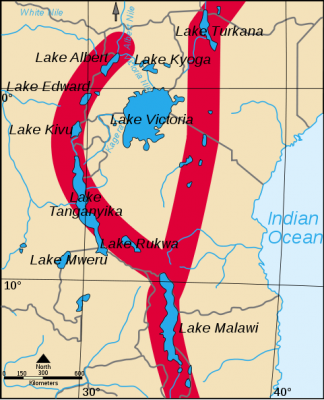
Most of the identified geothermal resources occur in three regions:
- SouthWest Tanzania in the Rungwe volcanic field,
where the project site Songwe-Ngozi, is located,
- Northern Tanzania at the southern end of the
eastern branch of the East African Rift system (Gregory Rift)
- Eastern Tanzania (e.g. Rufiji Basin) along the
Proterozoic mobile belt around the Tanzanian Craton
Technological Principles:
Geothermal energy can be captured from the heat stored beneath the earth's surface or from the absorbed heat in the atmosphere and oceans. In the first instance, geothermal energy can be captured from naturally occurring underground steam and be used to produce electricity. In the second instance, heating and cooling can be achieved by taking advantage of the temperature differential between outside air and the ground or groundwater.
There are three types of power
plant systems:
dry steam, flash, and binary cycle. The type that is used at a
given site depends on the temperature of the reservoir.
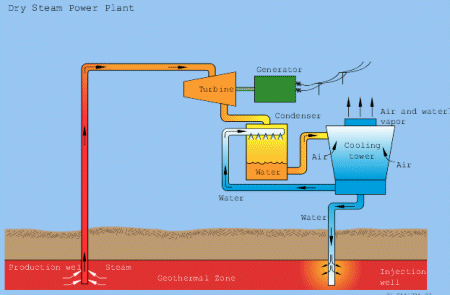
The dry steam system uses the hottest reservoirs where steam comes directly from the ground and drives turbines with in turn generate electricity.
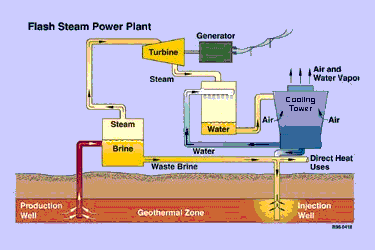
The flash system, utilized at sites with lower temperatures, uses pressurized geothermal fluids which are ‘flashed’ into the steam that drives the turbines.
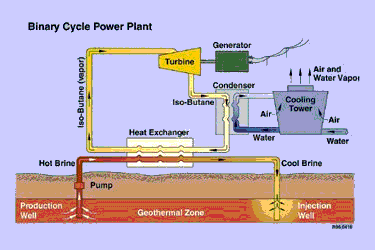 The binary
cycle system is used at the coolest geothermal reservoirs that produce
electricity. Hot fluid is pumped up to the plant and is used to heat a
secondary fluid with a lower boiling point to create steam
The binary
cycle system is used at the coolest geothermal reservoirs that produce
electricity. Hot fluid is pumped up to the plant and is used to heat a
secondary fluid with a lower boiling point to create steam
East Africa.